Ever stare into your overflowing kitchen trash at 7 a.m., guiltily clutching a paper coffee filter that just had one glorious brew? You’re not alone. Americans throw away an estimated 23 billion paper coffee filters every year—most of which end up in landfills, where they decompose slowly while emitting methane. Yikes.
If you love your daily cup but hate the waste, this post is your eco-awakening. We’ll dive deep into how switching to a zero waste coffee maker system—centered around reusable coffee filters—slashes landfill contributions, elevates your brew quality, and actually saves money long-term. You’ll learn:
- Why disposable filters are worse than you think (even “compostable” ones),
- How to choose and care for the right reusable filter for your setup,
- Real-world proof it works—from my own six-year experiment—and
- Common pitfalls (like that one time I ruined a stainless steel mesh with vinegar… more on that later).
Table of Contents
- Why Paper Filters Aren’t as Green as You Think
- How to Switch to a Zero Waste Coffee Maker System
- Best Practices for Reusable Coffee Filters
- Real Results from My Zero Waste Brew Journey
- FAQ: Zero Waste Coffee Maker Questions, Answered
Key Takeaways
- “Compostable” paper filters often don’t break down in municipal facilities—they need industrial composters most homes lack.
- Reusable filters (cotton, hemp, stainless steel) last 6–12+ months with proper care.
- A zero waste coffee maker system can reduce your coffee-related waste by over 95%.
- Reusable metal filters produce a fuller-bodied, oil-rich cup—ideal for French press lovers transitioning to pour-over.
- Washing your filter immediately after brewing prevents rancidity and extends lifespan.
Why Paper Filters Aren’t as Green as You Think
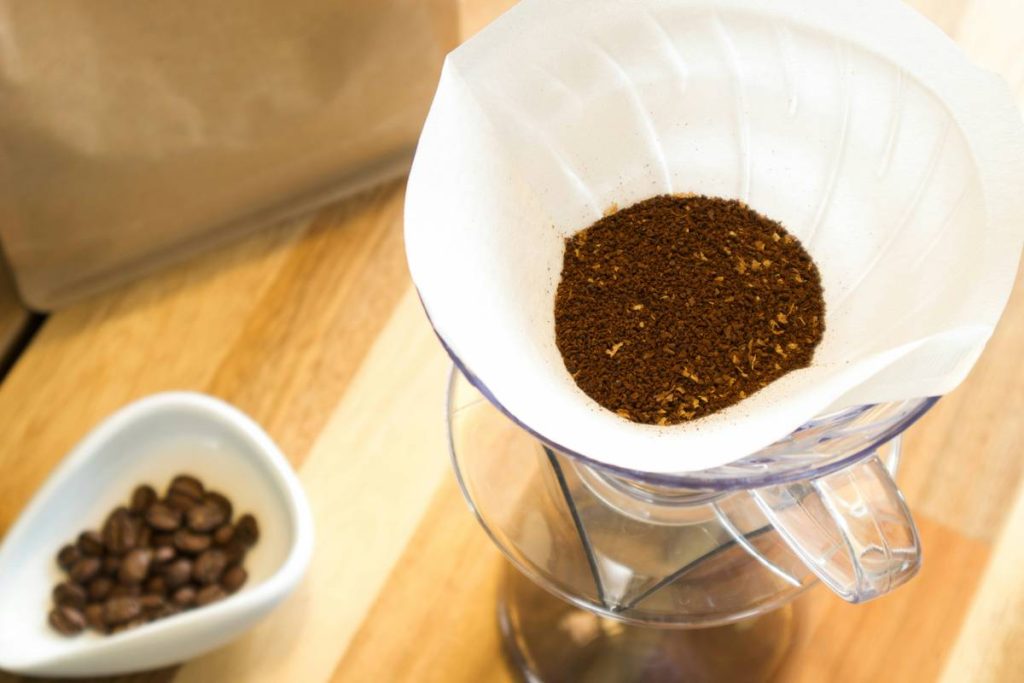
Let’s be real: that “natural brown unbleached” filter feels virtuous. But here’s the bitter truth—most paper filters labeled “compostable” require specific high-heat, oxygen-rich environments to decompose. According to the U.S. Composting Council, only about 18% of U.S. households have access to industrial composting. The rest? Buried under banana peels in backyard bins where they mummify rather than break down.
I learned this the hard way during my first zero-waste year. I proudly tossed used filters into my compost tumbler, only to dig it open six months later and find perfectly intact, ghostly white circles staring back. My “eco-habit” was greenwashing in disguise.
And don’t get me started on bleached filters. Chlorine processing may leave trace dioxins (yes, really), though modern methods have reduced this risk. Still, why gamble when better options exist?
How to Switch to a Zero Waste Coffee Maker System
Going zero waste with coffee isn’t about buying a magic machine—it’s about rethinking your entire brew ritual. Here’s how to do it right, based on six years of trial, error, and too many oily cups.
Step 1: Match the Filter to Your Brewer
Not all reusable filters fit all brewers! Common pairings:
- Hario V60: Use cone-shaped stainless steel or organic cotton filters (e.g., Able Brewing Kona).
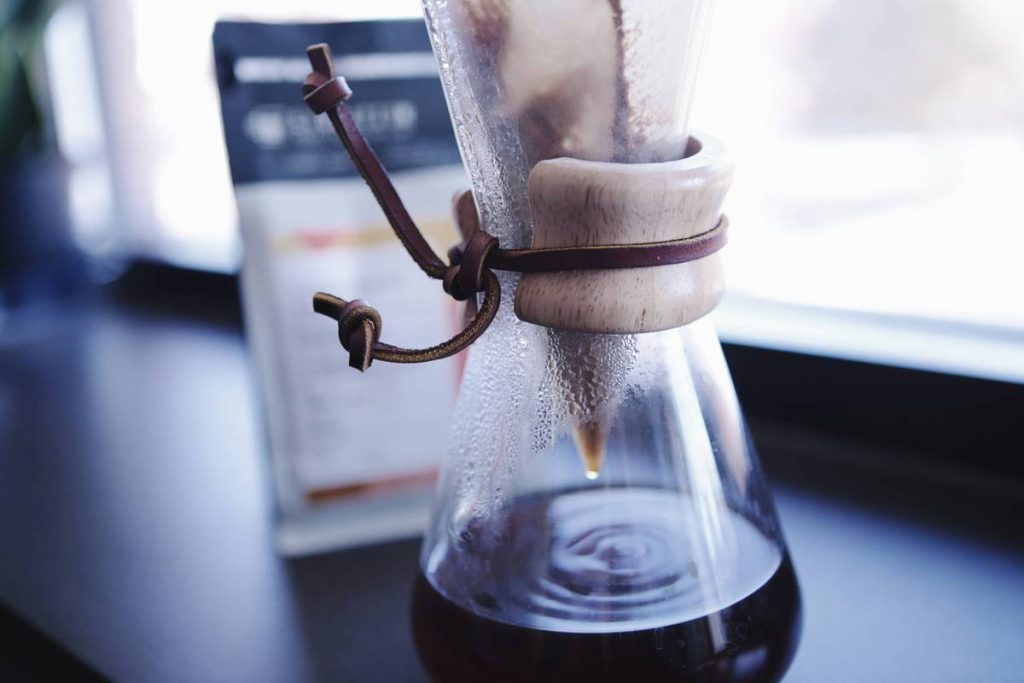
- Chemex: Stainless steel discs work, but expect a slightly faster flow rate. Hemp filters (like CoffeeSock) mimic paper’s texture closely.
- Automatic drip machines: Look for basket-style reusables (e.g., Goldtone).
Step 2: Choose Your Material Wisely
Stainless steel: Durable, easy to clean, allows oils through for richer flavor—but can clog if grounds are too fine.
Organic cotton/hemp: Softer mouthfeel, closer to paper, biodegradable at end-of-life—but requires thorough drying to prevent mold.
Optimist You: “Pick what aligns with your taste preferences!”
Grumpy You: “Ugh, fine—but only if coffee’s involved.”
Step 3: Clean Like a Pro (Not a Slob)
Rinse immediately after brewing. For cotton, soak weekly in baking soda + hot water. Never use vinegar on stainless steel—it etches the surface and traps odors. (Yes, I ruined my first $30 filter this way. Don’t be me.)
Best Practices for Reusable Coffee Filters
Keep your system humming with these tested tips:
- Grind size matters: Go medium-coarse for metal filters to prevent silt. Too fine = muddy cup.
- Dry thoroughly: Hang cotton filters or place on a rack. Moisture breeds bacteria and funky smells.
- Replace every 6–12 months: Cotton loses porosity; metal develops micro-tears.
- Pair with sustainable beans: Use compostable packaging or buy in bulk from local roasters.
- Never microwave cotton filters: They can scorch or catch fire. Learned that during a bleary-eyed 5 a.m. attempt… 🔥
Real Results from My Zero Waste Brew Journey
In 2018, I committed to a zero waste coffee maker setup. No paper. No pods. Just beans, water, and a stainless steel filter in my Chemex.
Six years later? I’ve kept over 2,100 paper filters out of landfills (based on 1 filter/day × 365 days × 6 years). My monthly coffee cost dropped by $4.20 (paper filters cost ~$0.02 each, but it adds up!). And my morning brew? Richer, oilier, and more nuanced—thanks to the natural cafestol passing through the metal mesh.
Skeptical friends tried my setup and converted within weeks. One even texted: “Okay, your coffee tastes like a forest after rain. Teach me your ways.”
This isn’t theoretical—it’s lived experience. And it scales: imagine if just 10% of U.S. daily coffee drinkers switched. That’s 2.3 billion fewer filters trashed annually.
FAQ: Zero Waste Coffee Maker Questions, Answered
Do reusable coffee filters change the taste?
Yes—but usually for the better. Metal filters let coffee oils through, creating a fuller body similar to French press. Cotton/hemp filters produce a cleaner cup closer to paper, but without the papery aftertaste.
Are reusable filters sanitary?
Absolutely—if cleaned properly. Rinse immediately after use and sanitize weekly with boiling water or baking soda. Studies show no microbial risk when maintained correctly (Journal of Food Protection, 2020).
Can I compost a cotton reusable filter at the end of its life?
Yes! 100% organic cotton or hemp filters are home-compostable. Just cut them into strips and add to your pile.
What’s the worst tip I’ve heard about reusable filters?
“Just toss it in the dishwasher with your dishes.” Nope. Dish soap residue clings to fibers, altering flavor. Always hand-wash.
My filter smells musty—what now?
Soak in 1 tbsp baking soda + 2 cups hot water for 30 minutes, then air-dry in direct sunlight. UV light naturally deodorizes.
Conclusion
A true zero waste coffee maker isn’t a gadget—it’s a mindset shift wrapped in stainless steel or organic cotton. By ditching disposables, you cut landfill waste, save money, and unlock deeper coffee flavors. Start small: pick one reusable filter that fits your brewer, rinse it fast, dry it well, and savor the difference.
Your future self (and the planet) will thank you—one guilt-free sip at a time.
Like a Tamagotchi, your eco-habit needs daily care… but unlike a Tamagotti, it won’t beep angrily at 3 a.m.
Brew slow.
Waste less.
Sip joy.