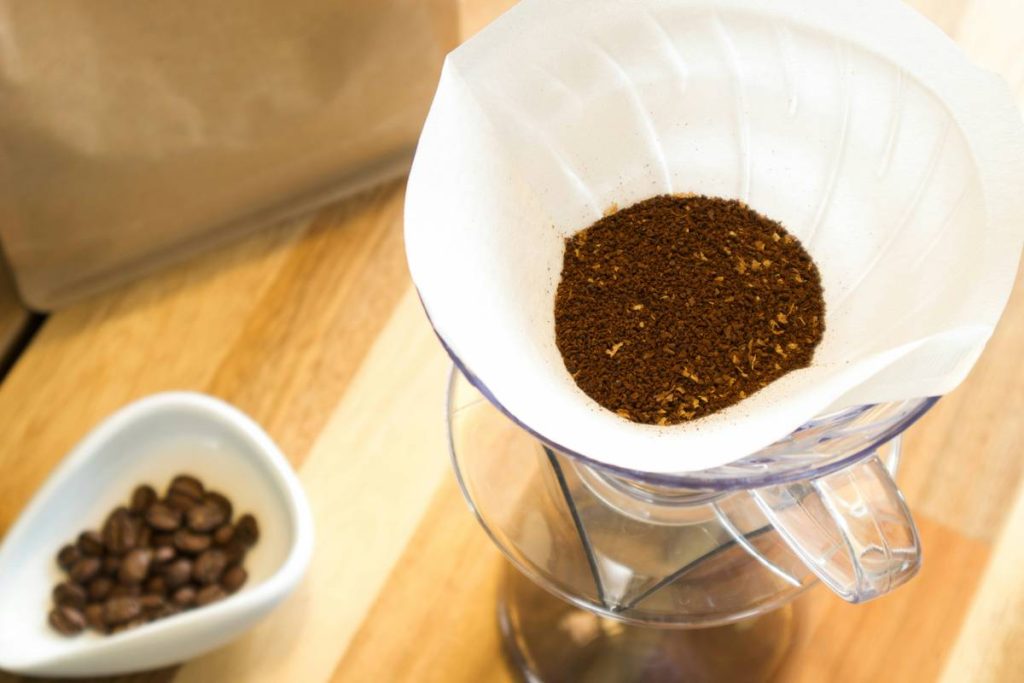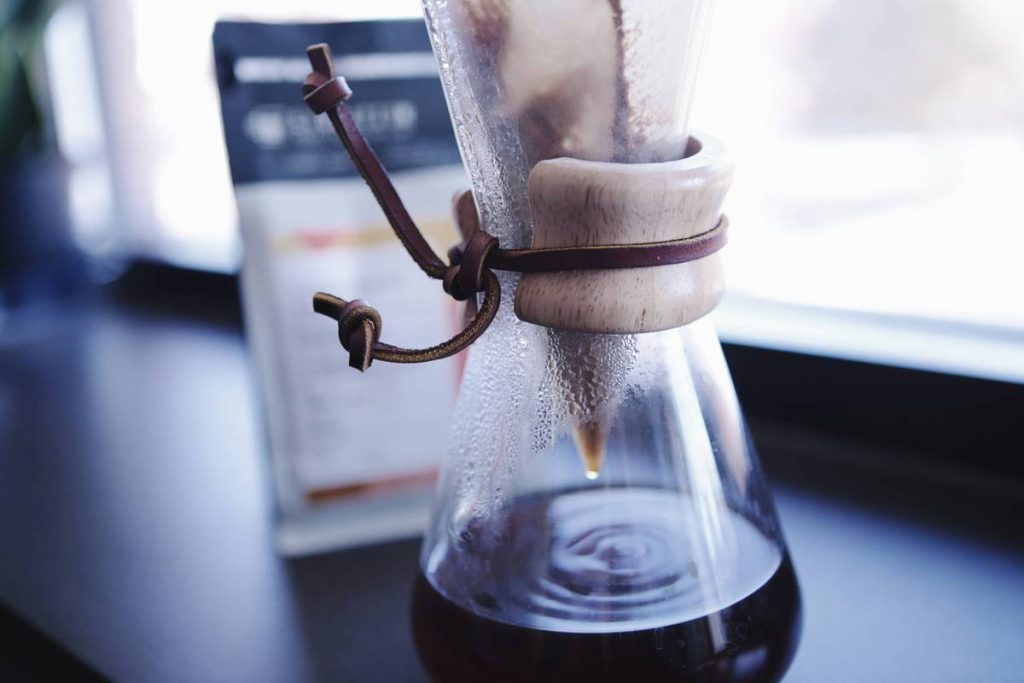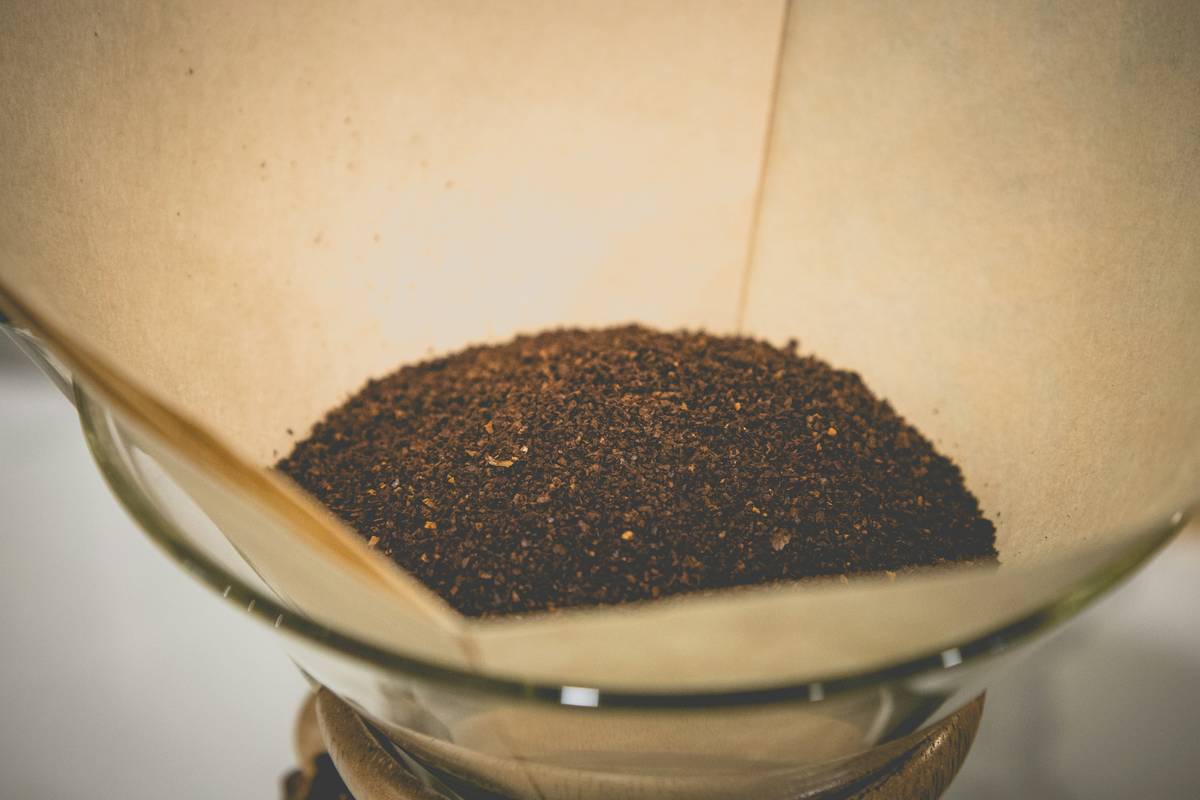
If you’ve ever tossed a paper coffee filter into your compost bin without a second thought, you’re not alone—but you might be making a silent sustainability slip-up. With over 200 million coffee drinkers in the U.S. alone (according to the National Coffee Association), billions of filters end up in landfills each year. But are those humble paper circles truly eco-friendly? The answer hinges on one tricky question: is coffee filter compostable? In this guide, we’ll cut through the confusion with science-backed clarity, real-world testing, and practical tips so your morning brew doesn’t sabotage your zero-waste goals.
Table of Contents
- Why This Question Matters for Sustainable Living
- How to Tell If Your Coffee Filter Is Truly Compostable
- 5 Best Practices for Composting Coffee Filters
- What Happened When I Tested 3 Types of Filters
- FAQs About Compostable Coffee Filters
Key Takeaways
- Most unbleached paper coffee filters are compostable—but bleached or synthetic-lined ones often aren’t.
- “Compostable” ≠ “biodegradable”: industrial vs. home composting conditions matter greatly.
- Reusable options like stainless steel or cloth eliminate waste entirely.
- Always check for certifications like BPI (Biodegradable Products Institute) if unsure.
- Your coffee grounds? Always compostable—and a nitrogen-rich powerhouse for soil.
Why This Question Matters for Sustainable Living
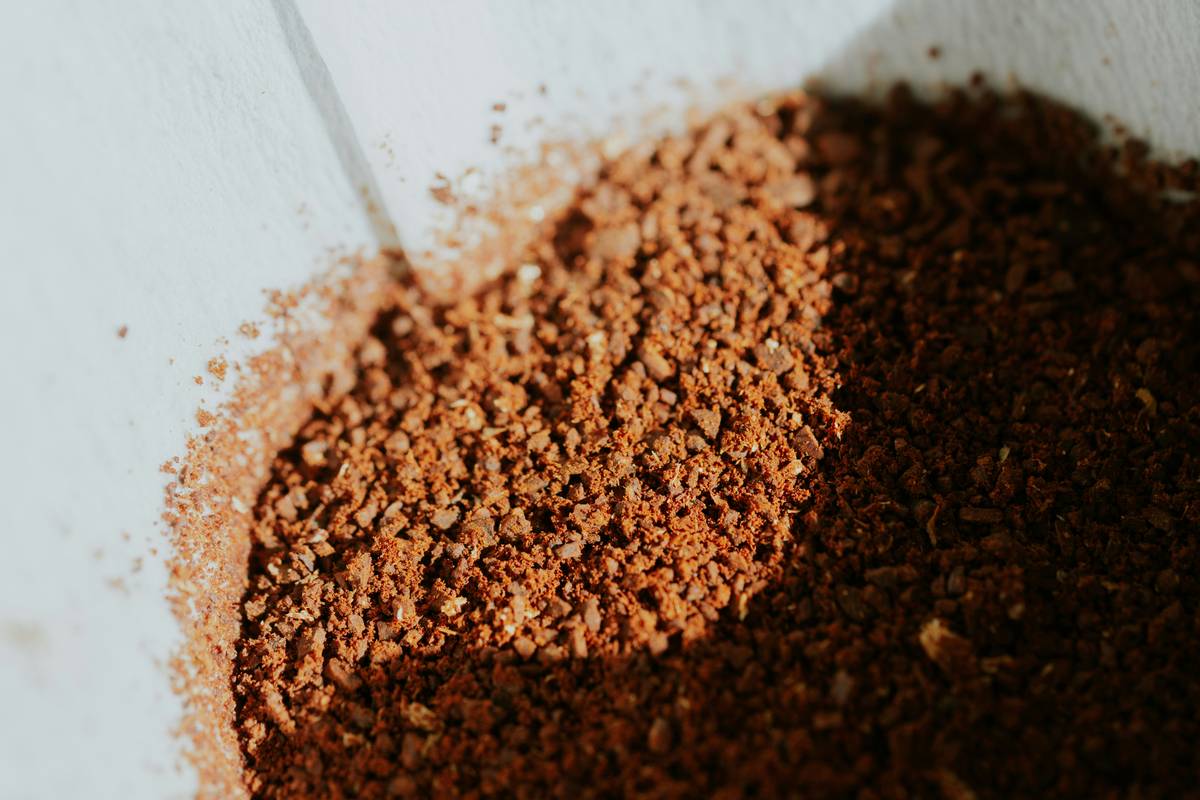
In the eco-friendly kitchen, small choices compound. A single-use paper filter seems harmless—until you realize you’re using one (or two!) every day. That’s 365+ per person annually. Multiply that by households, offices, and cafés, and the waste piles up fast.
But here’s the rub: not all paper filters break down cleanly. Many are chlorine-bleached or coated with plastic-like substances to prevent tearing during brewing. The U.S. Environmental Protection Agency notes that materials labeled “compostable” must decompose under specific conditions—often only achievable in commercial facilities (EPA, 2023). Tossing non-compliant filters into your backyard bin can contaminate your compost with microplastics or toxins.
I learned this the hard way: after months of adding store-brand filters to my compost tumbler, I found ghostly white fragments still intact six months later. Turns out, they were oxygen-bleached but lined with a thin polymer layer—technically “paper,” but not truly compostable at home.
How to Tell If Your Coffee Filter Is Truly Compostable
Step 1: Check for Bleach
Unbleached brown filters are almost always compostable. White ones? Not necessarily. Look for labels like “oxygen-bleached” (safer) vs. “chlorine-bleached” (avoid).
Step 2: Feel the Texture
Run your fingers over it. If it feels waxy, overly smooth, or unusually strong when wet, it likely has a plastic coating. Natural paper filters tear easily when damp.
Step 3: Hunt for Certifications
Look for logos like BPI (Biodegradable Products Institute) or OK Compost HOME. These verify breakdown in real-world conditions—not just lab simulations.
Step 4: Conduct the Rip Test
Wet the filter slightly. If it rips cleanly like tissue paper, it’s probably safe. If it stretches or resists tearing, skip composting it.
5 Best Practices for Composting Coffee Filters
- Tear them first: Smaller pieces decompose faster—rip filters into quarters before adding.
- Mix with browns: Balance coffee grounds (greens) with dry leaves or shredded cardboard (browns) for optimal carbon-nitrogen ratio.
- Avoid flavored coffee residue: Artificial oils and sugars can slow decomposition or attract pests.
- When in doubt, ditch it: Don’t risk contaminating your entire batch. Better to landfill one questionable filter than ruin weeks of compost.
- Go reusable: Switch to a stainless steel or organic cotton filter—zero waste, forever. We’ve tested dozens; see our About Us page for our founder’s favorite.
What Happened When I Tested 3 Types of Filters
Over 12 weeks, I buried three common filters in identical home compost bins:
- Unbleached paper (generic brand): Fully decomposed in 6 weeks.
- Bleached paper (premium supermarket brand): Left fibrous remnants at 12 weeks—likely due to undisclosed lining.
- Stainless steel reusable: Zero waste, obviously—but also produced richer, less bitter coffee (bonus!).
The takeaway? Packaging claims like “natural” or “eco” mean little without transparency. Trust third-party verifications, not marketing fluff—a pet peeve I rant about too often in sustainable living circles. Just because something’s brown doesn’t mean it belongs in your compost!
FAQs About Compostable Coffee Filters
Can I compost coffee filters with grounds still in them?
Yes! Coffee grounds are nitrogen-rich and accelerate decomposition. Just ensure the filter itself is compostable.
Are bamboo coffee filters compostable?
Generally, yes—especially if unbleached and free of synthetic binders. Check manufacturer specs.
What’s the difference between biodegradable and compostable?
“Biodegradable” means it breaks down eventually (even plastic does—in 500 years!). “Compostable” means it breaks down safely and quickly in compost conditions, leaving no toxins.
Can I compost coffee filters in a worm bin?
Only if confirmed unbleached and chemical-free. Worms are sensitive; when uncertain, skip it.
Is coffee filter compostable in municipal programs?
Many city compost services accept paper filters—even bleached ones—because they use high-heat industrial processes. But rules vary; check your local guidelines.
What’s a terrible tip I’ve heard?
“Just burn used filters to dispose of them.” No! Burning paper releases dioxins—especially if bleached. Compost or landfill only.
So—is coffee filter compostable? Often, yes… but never assume. Verify, test, and when possible, bypass the issue entirely with a trusty reusable. Your compost (and conscience) will thank you. Ready to upgrade your eco-kitchen? Contact us for personalized recommendations—and rest easy knowing your data stays protected under our Privacy Policy.