
You love your morning coffee—but hate the guilt of tossing another paper filter into the bin. Every drip feels wasteful. And honestly? It is. But switching to a reusable coffee filter shouldn’t mean sacrificing flavor or clogging your machine with sludge. Good news: there’s a smarter way. Here’s how to use reusable coffee filter setups without the mess, the guesswork, or the bitter aftertaste.
The Hidden Flaw in Most Reusable Filter Setups
Most guides treat reusable filters like drop-in replacements for paper. That’s where they fail. Paper filters trap oils and fine grounds—your stainless steel or cotton mesh doesn’t. Result? Over-extraction, grit in your cup, or worse—a choked brew basket that leaks everywhere.
And the real kicker? Many users never rinse properly between uses. Residual coffee oils go rancid fast. Your “eco-friendly” habit starts tasting like old gym socks.
How to Use Reusable Coffee Filter: A No-BS Step-by-Step
Forget theory. This is what works on Tuesday mornings when you’re half-awake and need clean caffeine—fast.
Choose the Right Material for Your Brewer
Not all reusable filters are born equal. Cotton muslin works beautifully in pour-over cones but sags in automatic drip machines. Stainless steel shines in Chemex-style brewers but can slip in smaller baskets. Match the filter to your hardware—or risk spillage and weak brews.
Grind Size Matters More Than You Think
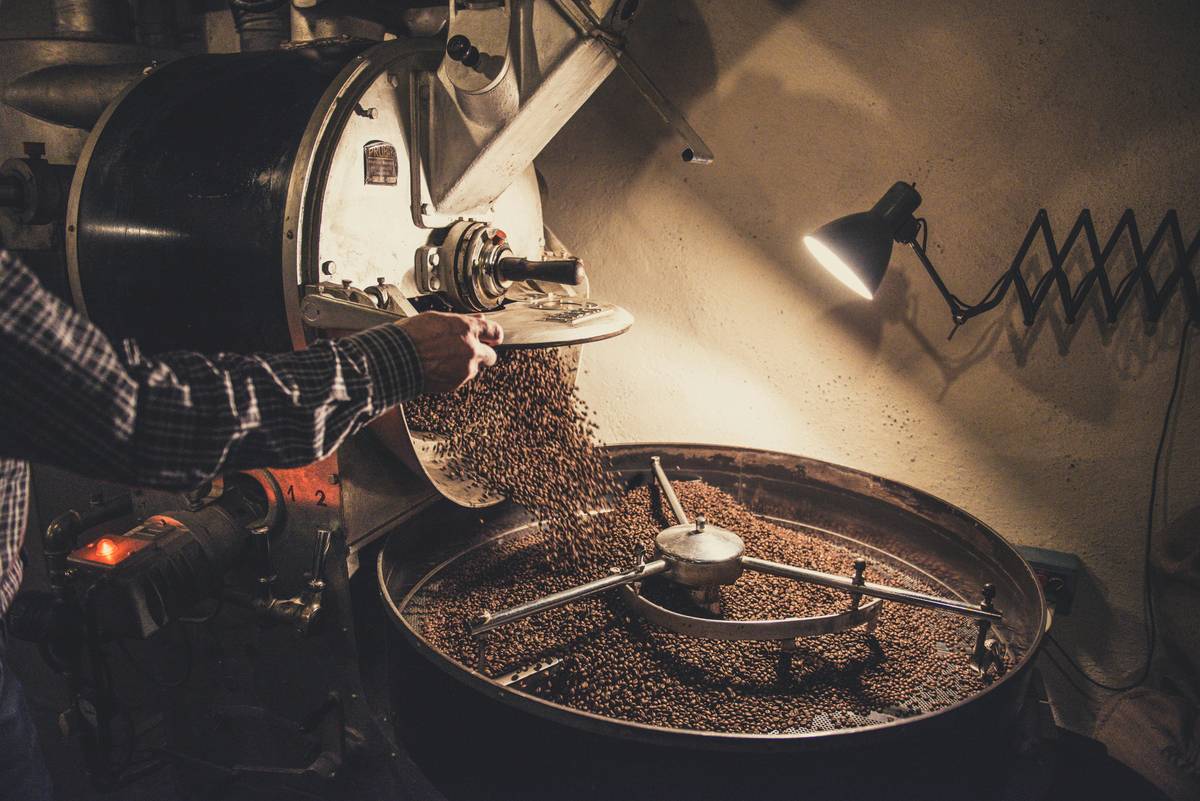
Use a medium-coarse grind—think sea salt, not powder. Too fine? You’ll get sludge. Too coarse? Watery disappointment. Reusable filters need breathing room. Paper masks bad grind choices; metal and cloth expose them.
Rinse Before First Use (and After Every Brew)
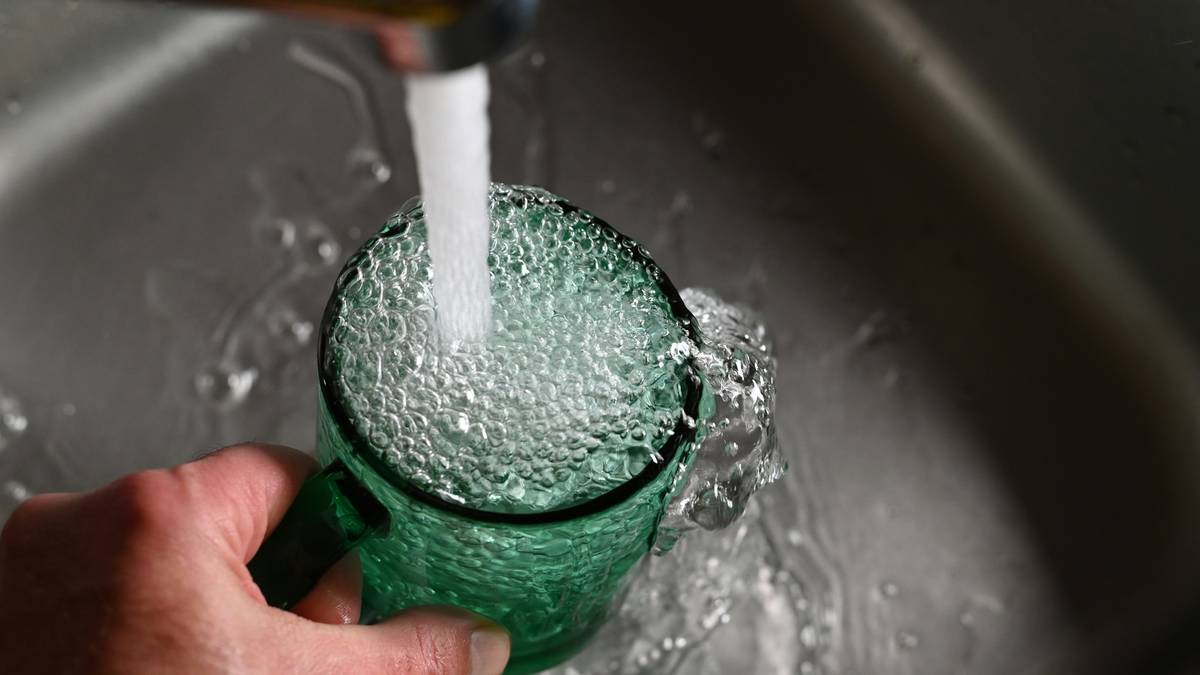
Seriously. Run hot water through it before adding grounds. It preheats your setup and removes loose fibers. Post-brew? Rinse immediately. Don’t let grounds dry on the mesh. They harden like concrete.
Deep-Clean Weekly—Or Get Funky Flavors
Once a week, soak your filter in a 1:1 mix of vinegar and water for 15 minutes. Scrub gently with a soft brush. For cotton versions, toss in the laundry with unscented detergent. Skip this? You’re recycling stale oil into every new cup.
| Filter Type | Best For | Lifespan | Maintenance Level |
|---|---|---|---|
| Stainless Steel Mesh | Pour-over, Chemex, French press hybrid | 5+ years | Low (rinse daily, vinegar weekly) |
| Cotton Muslin | Hario V60, Kalita Wave | 3–6 months | High (hand-wash or gentle cycle after each use) |
| Hemp Cloth | Cold brew, slow drip | 8–12 months | Medium (soak post-use, air dry fully) |
The Industry Secret: Pre-Wet Grounds for Cleaner Extraction
Here’s what baristas won’t tell home brewers: blooming matters more with reusable filters. Because they don’t absorb oils like paper, CO2 release during bloom can push fines through the mesh. Solution? Pour just enough hot water to saturate the grounds—wait 30 seconds—then continue your pour slowly. This stabilizes the bed. Less turbulence. Fewer particles sneaking through. The result? Brighter acidity, cleaner mouthfeel, zero grit. It’s a tiny tweak with an outsized impact—and almost no one does it right.
Frequently Asked Questions
Can I use regular coffee grounds with a reusable filter?
Yes—but avoid ultra-fine espresso grinds. Opt for medium-coarse to prevent clogging and sediment in your cup.
How often should I replace a reusable coffee filter?
Stainless steel lasts years with basic care. Cotton or hemp filters wear out after 3–12 months depending on use and cleaning rigor.
Do reusable filters affect coffee taste?
They enhance body and aroma by letting natural oils through—unlike paper, which strips them. Just keep your filter clean to avoid off-flavors.